The Story Behind Homayoun
Gilda Riazi Moshir founded Homayoun Language & Cultural Center in 2022 after families in the community asked me to restart a Persian language program. I named it after my father, Homayoun Hooshang Riazi, an educator at heart.
My parents made great sacrifices when they immigrated from Iran to the United States in 1979. They instilled in my siblings and me a deep appreciation for our language, culture, and heritage. As a parent, I wanted to pass those values on to my two boys and create a community where families could connect, preserve our culture, and celebrate our shared heritage.
Homayoun is also the name of the mythical Simurgh (likened to the Phoenix) in Ferdowsi’s Shahnameh (Book of Kings), one of the greatest works of Persian literature. The Phoenix represents the enduring spirit of Persian culture—rising, thriving, and carrying our heritage forward. It is the inspiration behind our logo and our mission.
What is our philosophy:
Our philosophy is developmental and play-based: Meet each student where they are, challenge them, and help them reach their potential. Most importantly, we want students to develop a genuine love of learning and confidence using the Persian language. The NILOOFAR & YAS classes for younger children are play-based programs introducing the language through play where they are immersed in the language spoken by the teachers. We teach by modeling the language in its natural everyday use.
We teach the fundamentals—alphabet, vocabulary, sentence structure, grammar, and the rich world of Persian idioms (zarbol-masal)—while immersing students in Iran’s history and culture. For the SONBOL and ROSE classes we teach through various textbooks the alphabet, vocabulary, grammar, sentence structure. Our goal is to teach the language to be read, written and spoken. Through celebrations of Mehregan, Yalda, Norooz, and Tirgan, students have opportunities to perform, share their learning, and connect with the broader community.
Beyond language, we strive to instill respect, empathy, and kindness. We teach the values of Good Thoughts, Good Words, and Good Deeds and encourage students to become thoughtful members of their families and communities.
Our goal is to create a place where Persian-speaking children can learn, lead, build friendships, and feel a sense of belonging while keeping their language and heritage alive.
Our logo:
We intentionally chose the Simurgh, the mythical phoenix-like bird from Ferdowsi’s
Shahnameh, as our logo.
A powerful symbol in Persian literature, the Simurgh represents wisdom, protection, compassion, and nurturing guidance. As a benevolent guardian, it embodies the belief that true strength comes not only from power, but ofrm
knowledge, care, and helping others grow.
Meet the Founder Gilda Moshir
Ms. Gilda has spent the last 23 years serving the Persian community in the San Gabriel Valley. Her passion for furthering this cause started with her own 2 boys they started their first Farsi classes when they were 8 and 5 years old (now they are 31 and 28). She partnered with Arman & Mojan Ariane and supported the Persian classes in the Claremont community where her kids were participants. She then brought the program to families connected to Caltech in Pasadena and to San Marino through the Recreation Department. In 2022, Ms. Gilda founded Homayoun Language & Cultural Center in honor of her late father, Homayoun Hooshang Riazi who was an educator “at heart”. She has always been passionate about preserving the Persian culture, heritage and language for Persians in diaspora.
Gilda received two Bachelor of Art’s degrees from UC Irvine in Social Ecology with an emphasis in Child Development and Political Science. She later obtained her Associates Degree from Pasadena City College with an emphasis in Early Childhood Development. She got her Supervisor Permit and began work in preschools, she worked at various schools with diverse teaching styles: From parochial to traditional to cultural to developmental. The latter being her favorite style of teaching. She gained great insight at her last role as the Director of Cottage Co-Op preschool which was a developmental play-based school that incorporated the pedagogy of Jean Piaget, Eric Erickson and John Dewey giving children the space to create without much adult intervention.
Later, she was introduced to the principles of Magda Gerber’s RIE (Resources for Infant
Educarers) approach to raising children where respect is given to children from the moment they are born. RIE teachers value child’s play as their work, their contribution to the community. Gilda co-founded Our Parenting Place in 2010 and ran it with her good friend and colleague Kira Solomatova until 2017. Together they taught the RIE methodology to new parents who were exploring a different way of parenting their children.
In 2013, Gilda got her life insurance license and became a life insurance broker. She has been educating families about budgeting, saving money, buying your first home, getting protected, planning for retirement and protecting your family, assets and business.
March 2026, Gilda was honored by Sheila Rossi, the mayor of the City of South Pasadena for her 23 years serving the Persian community. March 20, 2026 was proclaimed by the City of South Pasadena as Norooz Day and Gilda received that recognition on behalf of the Persian community in the San Gabriel Valley.
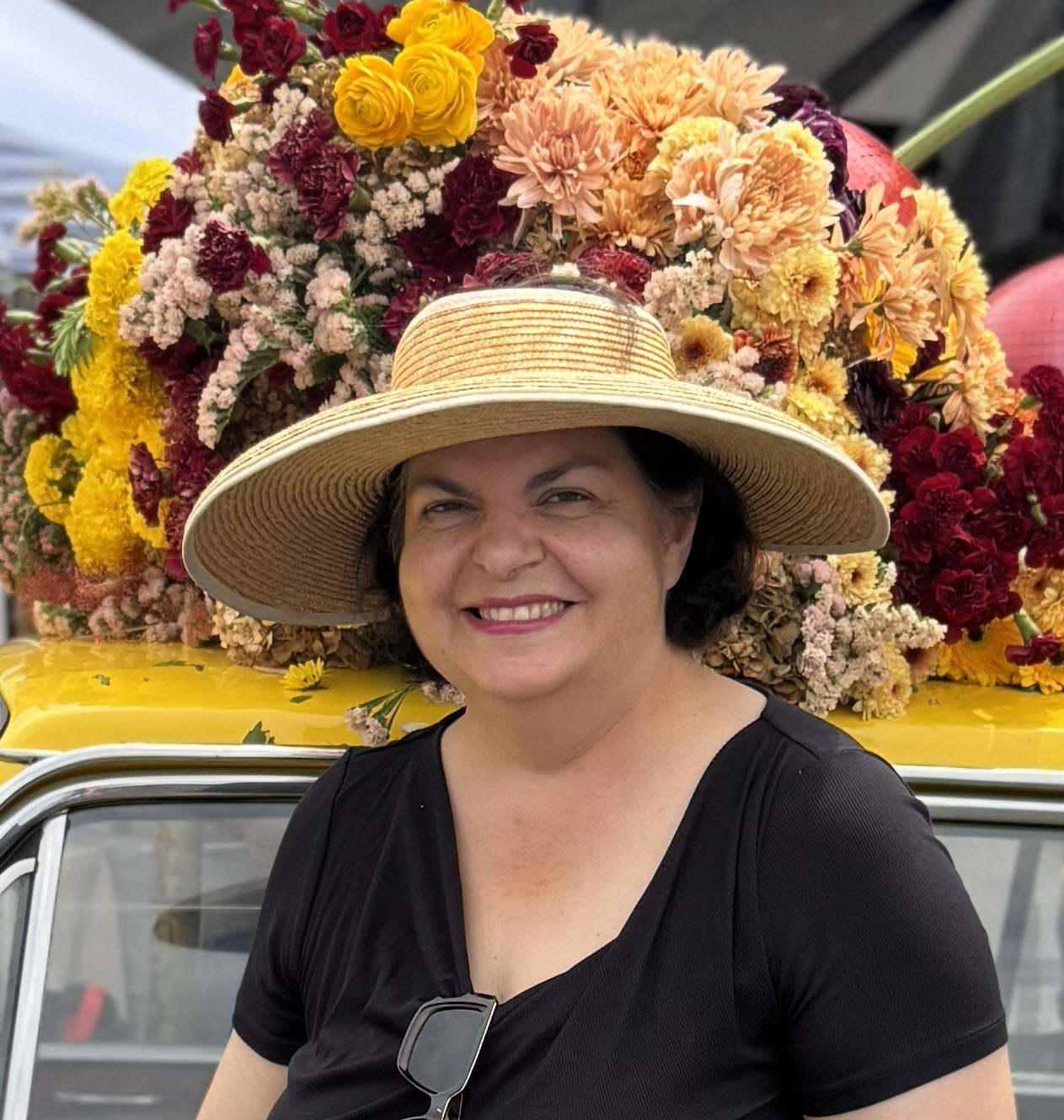
Ms. Maliheh Razaghi (Ms. Mali)
Ms. Mali has more than 30 years of teaching experience, she brings a lifetime of dedication to early childhood education and the development of young learners. She spent 26 years teaching first grade in public schools in Iran, along with two years teaching Transitional Kindergarten (TK). She also served for two years as an Assistant Director, overseeing lesson planning and curriculum development, supporting parent-teacher conferences, and working with families to address student behavior and educational needs from Pre-K through 5th grade.
After retiring from the public school system, she continued her passion for education by teaching first grade at a private school for two years and working with private students for an additional three years.
After immigrating to the United States 11 years ago, she continued to share her experience and expertise through private instruction. For the past five years, she has worked with students from first through sixth grade, providing individualized support tailored to each child’s learning needs.
She earned her high school diploma in Iran and completed her professional teaching certification two years later. Her extensive classroom experience, leadership background, and commitment to helping children succeed make her a dedicated and compassionate educator.
Ms. Mali is teaching our in-person group and private classes working with children and adults from beginner to intermediate to advanced.
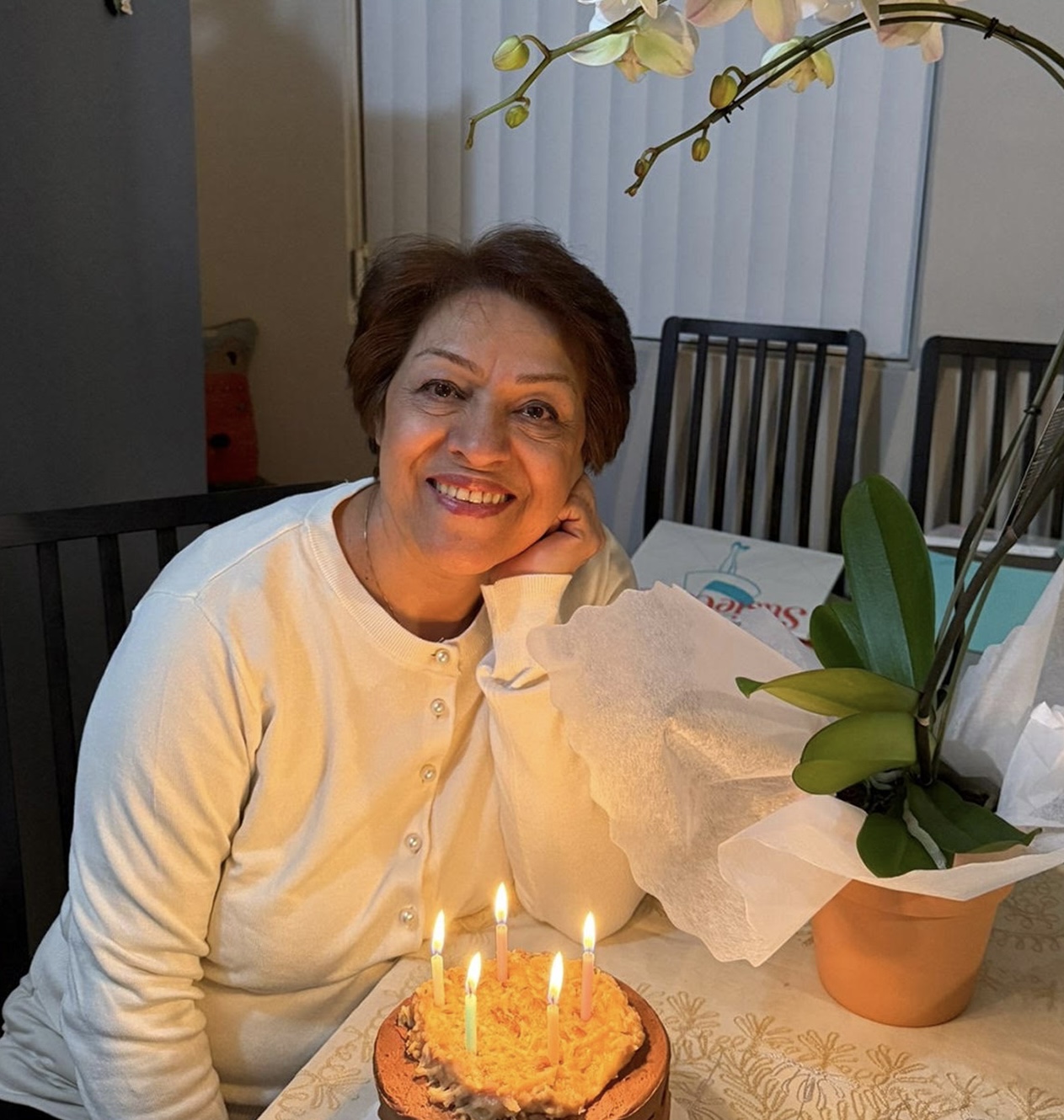
Ms. Hanieh Bubehrazm
Ms. Hanieh is an experienced educator and creative professional with a background spanning teaching, animation, design, and visual arts. She holds a Bachelor of Arts in Applied Arts from the University of Bangalore and a Master of Science in Animation from Jain University. With teaching experience at Safir in Tehran and in U.S. educational settings, including Right at School, Parker Anderson Enrichment, and Rosebud Academy, Hanieh brings a thoughtful, engaging, and creative approach to learning. She has completed specialized teacher-training programs in Tehran and South Pasadena, as well as a UI Design course through UCLA Extension. Her creative expertise includes Adobe Photoshop, After Effects, Illustrator, Autodesk Maya, Figma, and graphic design, allowing her to incorporate creativity and visual learning into her educational work.
Ms. Hanieh is teaching our online classes working with young adults ages 15 and older. She also substitute teaches as needed.
Niloofar class – Meets Saturdays at 10:30 – 11:30 am for children ages 3.5 – 5
This play-based class helps children learn Farsi through creativity, exploration, and hands-on activities. Inspired by child-development approaches that recognize play as children’s work, we give students space to explore, create, and learn through meaningful experiences. Class includes:
- Free Play & Table Activities: Toys, art, painting, playdough, Duplo, and more.
- Circle Time: Finger plays, songs, and learning classmates’ and parents’ names in Farsi.
- Snack Time: Practicing Farsi through everyday phrases, table manners, and polite requests such as “please” and “thank you.”
- Music Time: Singing Persian songs and learning new vocabulary.
- Clean-Up: Building responsibility by caring for the classroom and belongings.
- Goodbye with Nokhodi: A fun closing tradition before heading home.
The class is taught by Ms. Mali and Ms. Gilda.
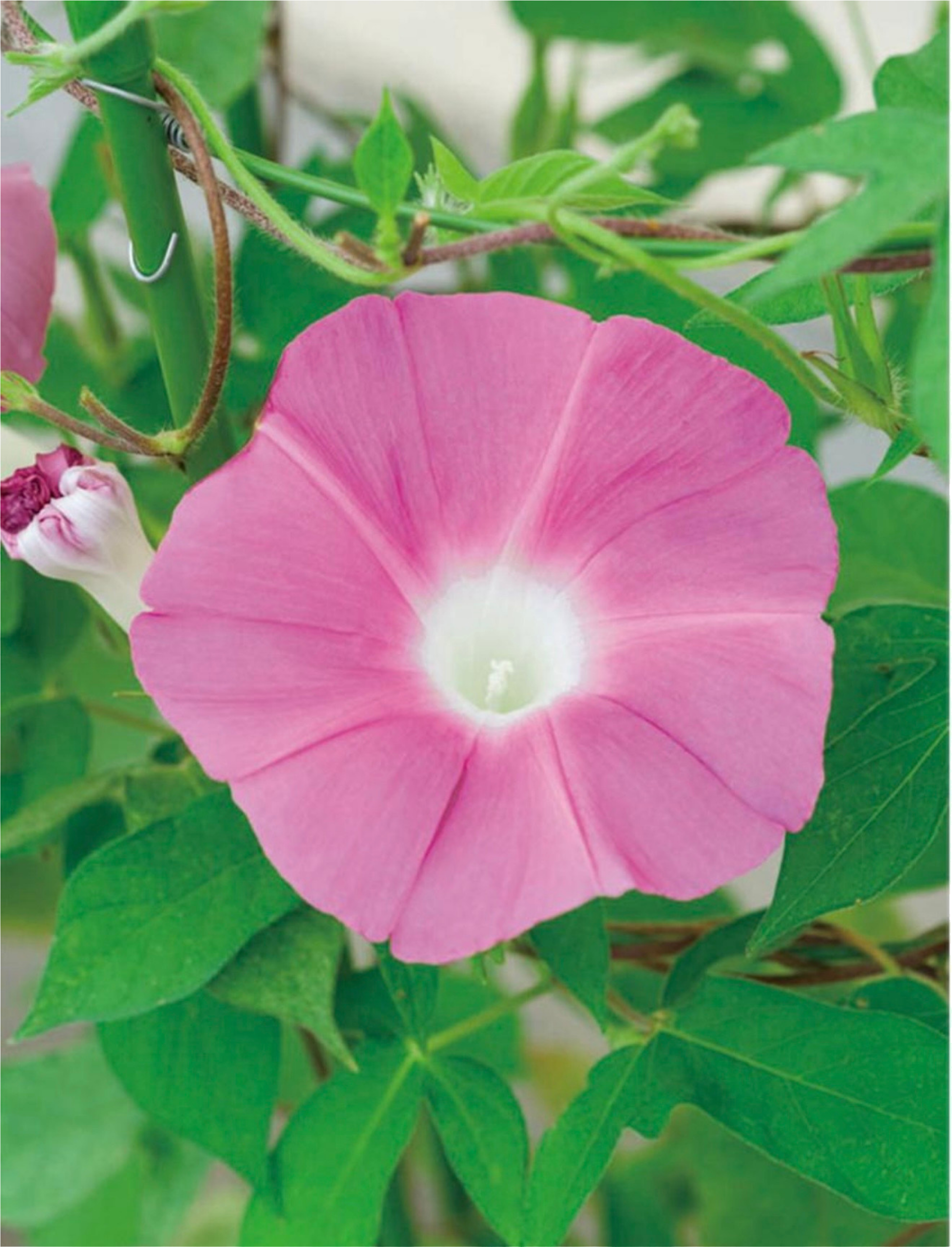

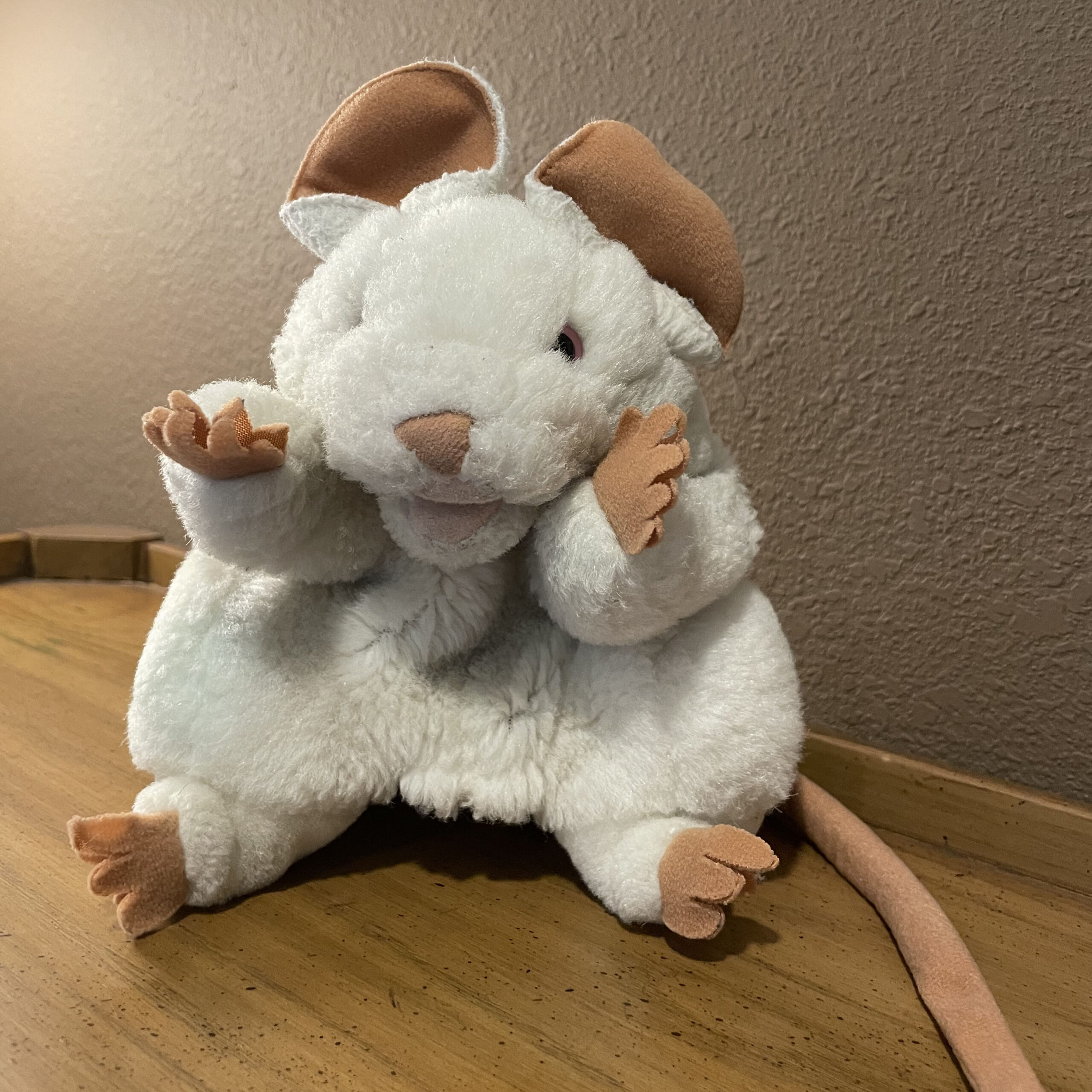
Nokhodi is our school mascot—a friendly furry mouse that says hello to the children when they arrive and participates in the circle time and says goodbye as kids depart.
Nokhodi says in a funny voice: “Welcome to Niloofar class my friends. So nice to see you! I can’t wait for us to play and learn Farsi together. Give me a high 5”
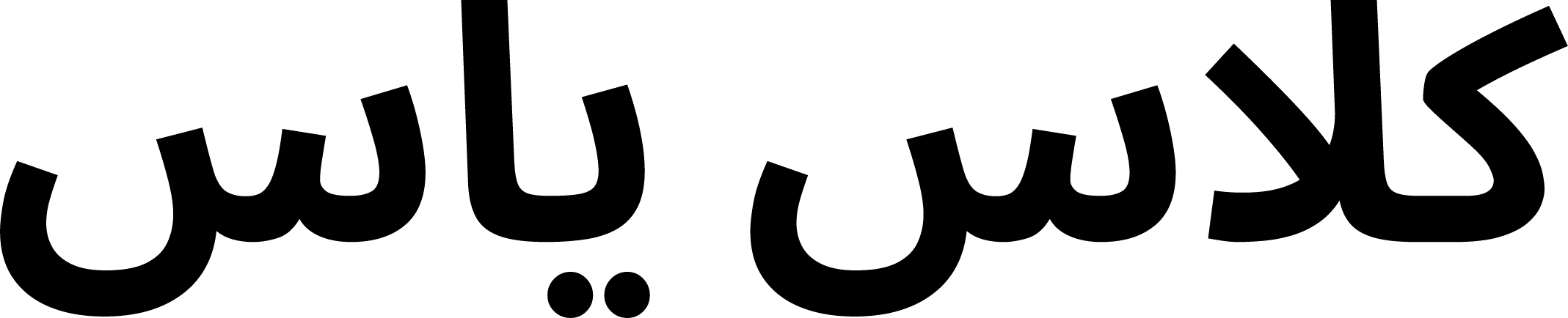
Yas Class – Meets Thursdays at 3 – 4:30 pm for children ages 6 – 9
The Yas Class is a play-based, hands-on developmental class for children ages 6-9. Through free play, Friendship Circle, show-and-tell, weekly lessons, crafts, and snack time, children build Persian vocabulary, speaking and listening skills, cooperation, and problem-solving abilities.
Every two weeks, students explore a new letter through related words and art activities. The primary focus is understanding and speaking Farsi, with reading and writing introduced when a child is ready. Children also practice writing their names and receive support in preparing and presenting show-and-tell items in Persian.

Sonbol Class – Meets Thursdays 4:45 – 5:45 pm for children ages 6 – 11
This 1-hour class focuses on reading, writing, and speaking, with an emphasis on building vocabulary through the letter of the week. It is a structured, desk-based class where students practice reading words, constructing sentences, and completing engaging table activities.
Students use three books: a Level 1 workbook for tracing and basic sentence structure, a vocabulary book from Iran with pictures, and Learning Farsi, which is used to teach letters. Homework is assigned, and parents are expected to practice with their children at home.